
Turnkey Production Lines
Pick a line, see its machines and estimated investment in seconds.
What to look at when choosing a production line
Four things define a line: the product you will make, the target capacity, the level of automation and the packaging format. Two lines making the same product are not built from the same machines once capacity changes — the right answer for 2 tonnes a day and for 20 tonnes a day is a different set of stations. Automation sets the balance between capital and labour: a semi-automatic line starts at a lower investment, a fully automatic line lowers running cost. Packaging format affects not only the end of the line but often its beginning too. The lines below are typical configurations; every project is re-sized for your product, your site and your local regulations.
Our turnkey production lines
Last updated: October 13, 2026
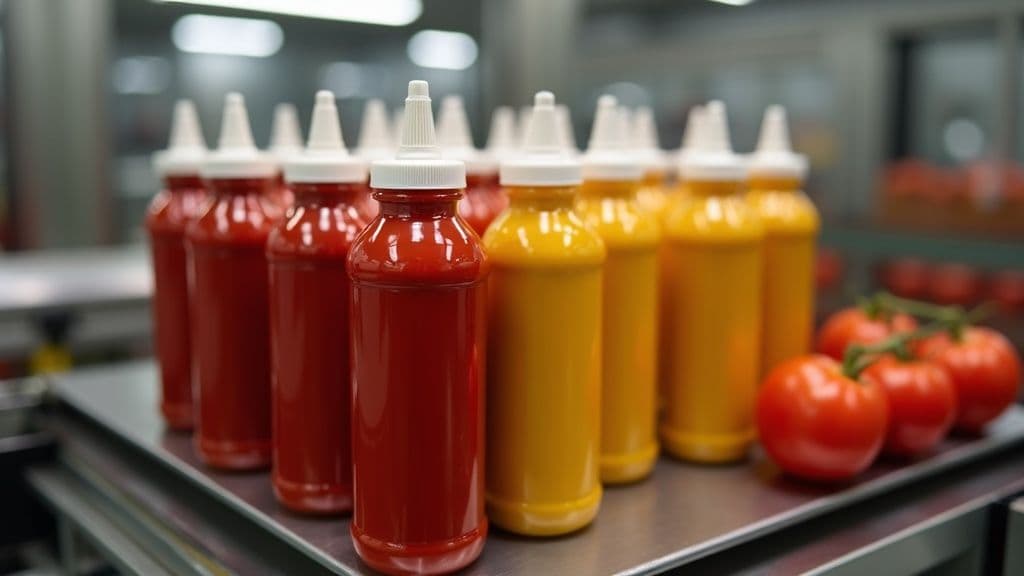
Mayonnaise, Ketchup and Sauce Line
Complete sauce preparation platform with three capacity options (500 / 1,000 / 1,500 kg/h); shelf-ready production with the optional filling & packaging line.
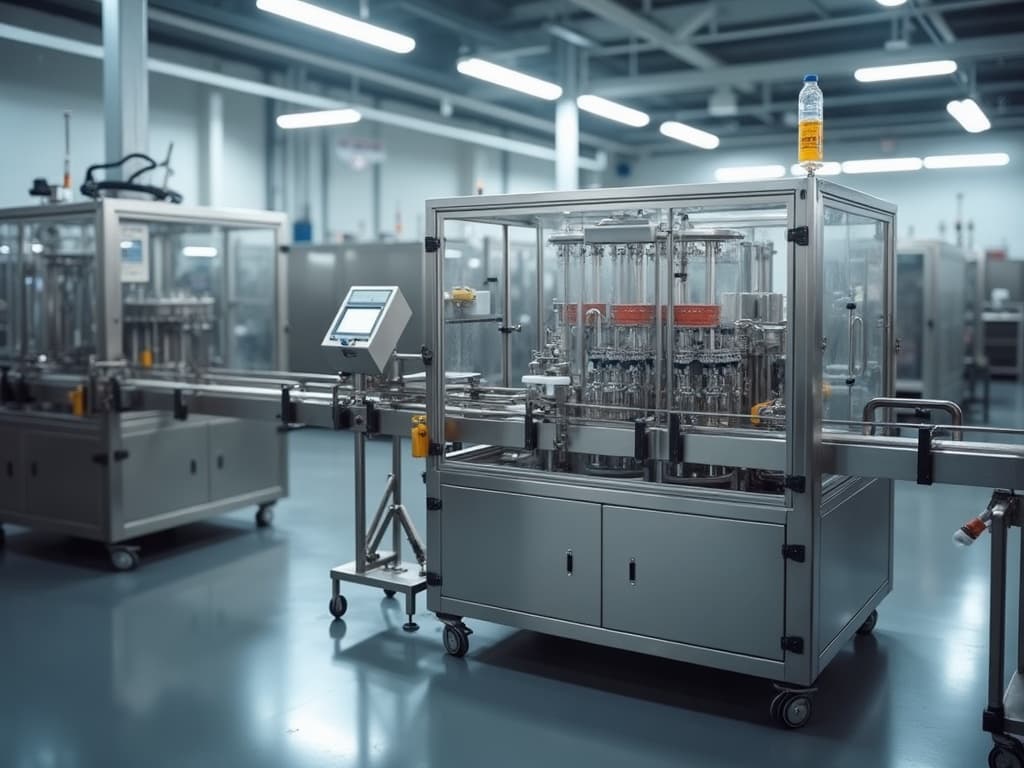
Fully Automatic Orange Blossom Water Filling Line
Fully Automatic Orange Blossom Water Filling Line
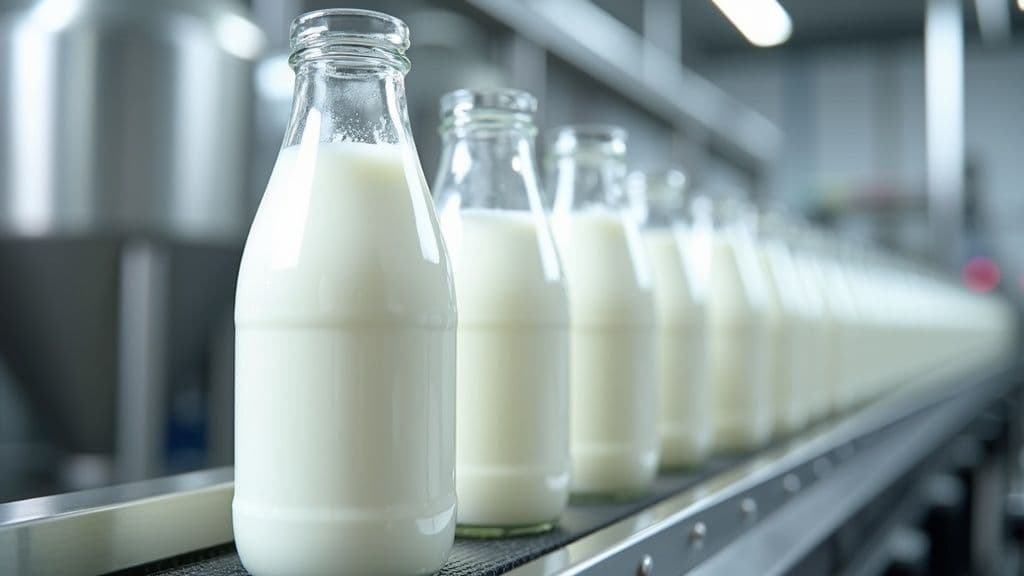
Milk Processing & Pasteurization Line
Hygiene-focused, energy-efficient solution for dairies and industrial plants.
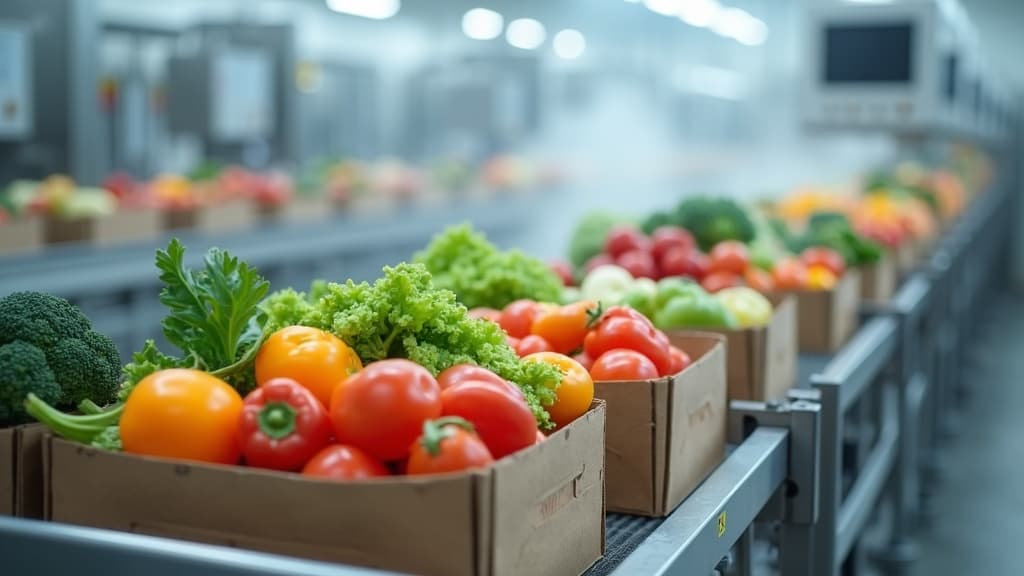
Cold Storage & Container System
Modular cold storage for food, logistics, pharma and labs.
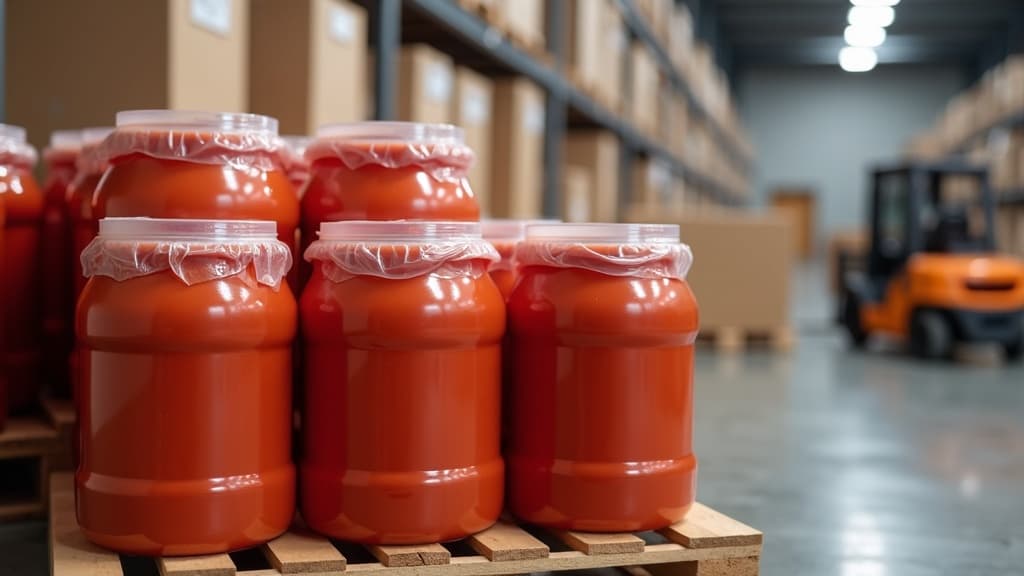
Mini Modular Tomato Paste & Sauce Line
Modular tomato paste and sauce production system built on a compact platform with vacuum cooking technology. 6,000–12,000 kg/day capacity; five packages from ECO to JUICE.
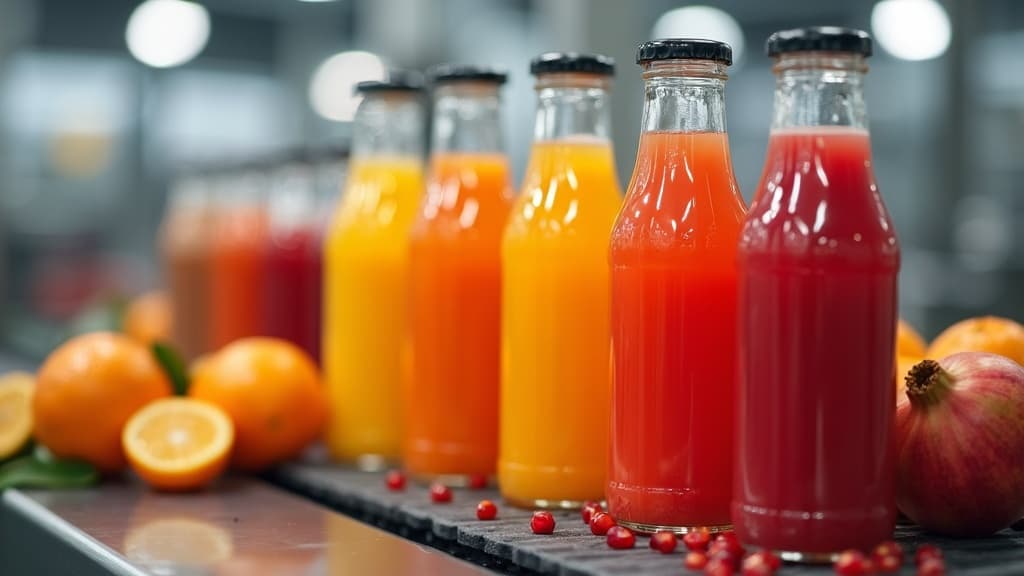
Fruit Juice & Concentrate Line
Full process from fruit to clear/cloudy juice and concentrate.
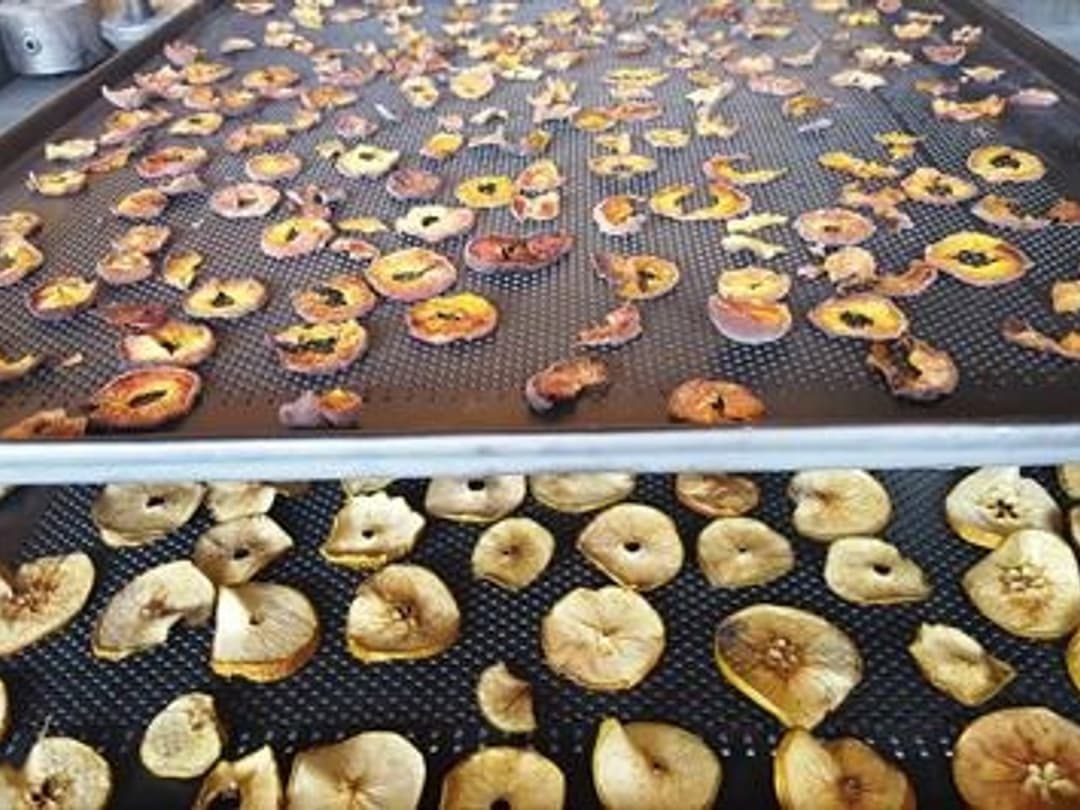
Solar Energy Drying Line
A drying solution that dries fruits, vegetables, and aromatic plants using solar energy, requiring no operational energy. Available only in sunny and solar + electric hybrid options.
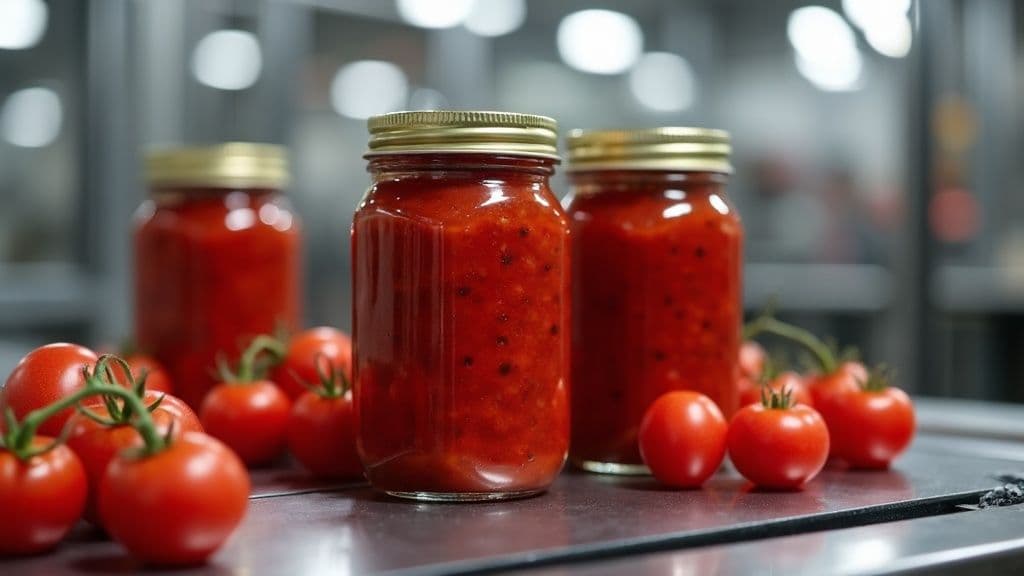
Industrial Tomato Paste & Processing Line
Fully automated, hygienic tomato paste production line from washing to filling-packaging.
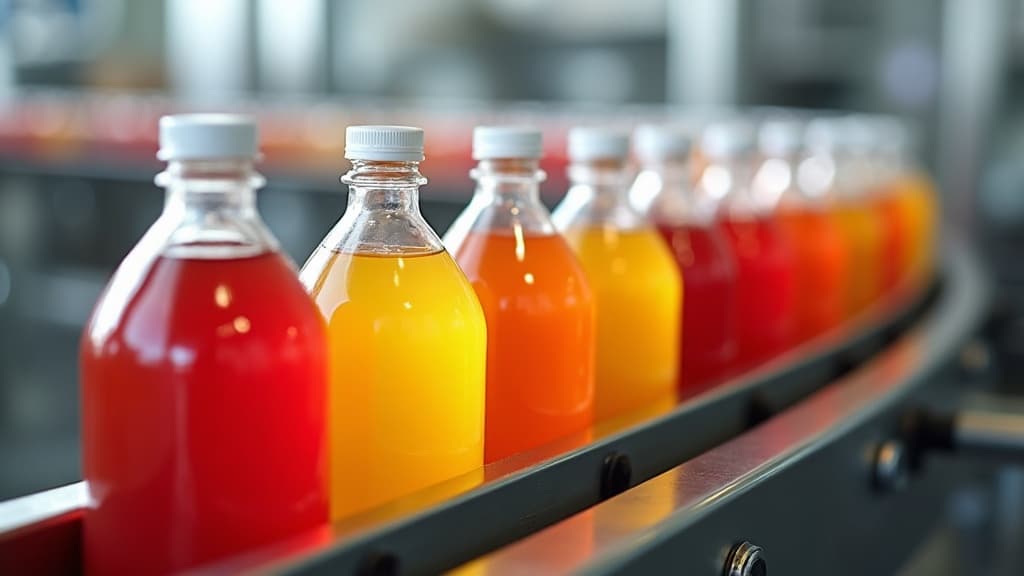
Filling & Packaging Line
Filling, capping and labeling integration for liquid and viscous products.
Should I buy a complete line or select individual machines?
Both are possible. If you're building a new facility, a complete line is the safer starting point, since the machines on it are designed for matching capacity and speed — the process flow, piping and automation integration are planned by a single team, with every station tied together by the same engineers. If you want to add capacity to an existing line or clear a bottleneck, a single-machine choice is more appropriate; in that case, the capacity, connection and automation-interface compatibility of your existing equipment is verified in advance so the new machine doesn't slow the line down. Most investors start with a complete line and then expand capacity gradually with separate machine additions as the business grows. Whichever path you choose, the decision should be based on a capacity calculation — not intuition.
How is line capacity determined?
The capacity decision is calculated backward from your target daily or monthly output: the raw-material intake rate, processing time and filling speed form a linked chain. Our engineering team builds that chain with you by discussing your product, target market and growth plan; because increasing one station's capacity can turn the others into a bottleneck, the whole line is sized together. The capacity ranges on the cards are a starting point — the exact figure is confirmed after a free preliminary assessment, factoring in your site's infrastructure (electricity, steam, water) and your shift plan. That's why two different investors targeting the same product can get different line configurations.