ProcessTürk — Turnkey Industrial Plant Solutions
AI-Assisted Custom Project

Create your AI-assisted custom project request

Describe your need or upload a file — our assistant understands it, asks what's missing, and our team starts working on your project.

How it works

No exact catalog match? Let's build your project together

A new plant, capacity expansion, relocation or a fully bespoke line — our AI assistant structures your request and our engineering team works on it.

By chatting
No forms — describe your need in natural language.
Understands your files
Upload PDF, image, Excel or Word — the assistant reads it.
Team takes over
Your request is structured and our engineers work on it for you.

How we work

  • 1Feasibility & capacity analysis
  • 2Concept design and layout
  • 3Equipment sourcing & production tracking
  • 4Installation, testing and commissioning
  • 5Training and handover
ProcessTürk
AI-assisted
Hi! I'm ProcessTürk's project engineer assistant. Describe the plant or custom machine you have in mind in a few sentences — you can also upload drawings, catalogs, photos or spreadsheets. I'll ask about anything missing, then our team starts working on your project.

Your information is used only for your request.

How we proceed

What exactly happens at each step?

1

What happens during Feasibility & capacity analysis?

Feasibility is the stage that establishes the size and the technical limits of the investment before a single machine is chosen. A custom project starts with the target product, not with a machine list. We clarify which product, in which packaging and at what capacity you will produce, and assess the market, raw-material access and site conditions together. The output is a pre-feasibility study showing the investment size and the technical limits. The capacity decision made here drives every later item — it is the most expensive decision to correct afterwards. The size of your target market, the competitive landscape and potential export opportunities are also factored in at this stage, so the capacity decision is based not just on today's demand but on a multi-year growth plan. The feasibility report is usually completed within a few days, through a site visit or video call, and the cost of this stage is far below the cost of correcting a capacity mistake on site later. The report presents the capacity calculation, a draft equipment list and an approximate investment range together.
2

What happens during Concept design and layout?

Concept design is the stage that turns the capacity decision into a working plant layout. Once capacity is fixed, we build the process flow: which step, with which equipment, in which order. The equipment list, space requirements and utility loads (electricity, steam, water, waste water) are derived, and a 3D layout is produced for your existing building or planned site. Material and personnel flow, hygiene zones and maintenance access are resolved at this stage — not on site. The layout plan also allows for future line additions or capacity increases, so today's investment doesn't constrain tomorrow's expansion. The output is a block flow diagram, a scaled 3D model and an itemized equipment list — the quote is built on these documents.

3

What happens during Equipment sourcing & production tracking?

Sourcing and production tracking is the stage where choosing the right manufacturer and supervising the build are handled under one roof. For each item we identify suitable manufacturers, standardise the technical specification in a single language and collect comparable quotations. Quotes are opened line by line: scope differences, excluded work and lead times are made visible. After the order, manufacturing is tracked on your behalf — material grade checks, critical production steps, interim inspections and schedule follow-up. Deviations surface while the equipment is still on the shop floor, not after shipment. The factory acceptance test (FAT) before shipment is planned with your product or conditions; equipment that fails the test isn't sent to site. Regular progress reports with photo/video records let you see concretely what stage production is at.

4

What happens during Installation, testing and commissioning?

Commissioning is the stage at which the plant actually becomes capable of production. The assembly sequence is planned; mechanical and electrical connections, line integration and utility hook-ups (steam, air, water, waste) are carried out. Dry runs, water tests and trial production with the real product follow; capacity and waste figures are measured. Commissioning is complete when the plant delivers product at the target capacity and does so consistently — not when the machines are set in place. The typical model is a mixed team: our supervising crew plus local installation labor — the most cost-efficient structure for both budget and knowledge transfer. After commissioning, remote (VPN) PLC access resolves most fault diagnosis within hours, without a site visit.

5

What happens during Training and handover?

Training and handover is the final stage that makes the operating team the real owner of the line. Operators are trained on machine use, daily maintenance, cleaning (CIP) and basic troubleshooting; process parameters are transferred to the production and quality teams. Product recipe and formulation support is provided on request. Training is done on-site, on your own line, with your own product — not in a generic classroom. Visual (photographed) standard operating procedures (SOPs) are included in the commissioning scope and prevent knowledge loss during operator turnover. At handover you receive the technical file, the critical spare-parts list and the after-sales contact channel — even a line built from several manufacturers continues to be supported through a single point of contact.

Proof Gallery

Our engineering scope also reaches beyond food

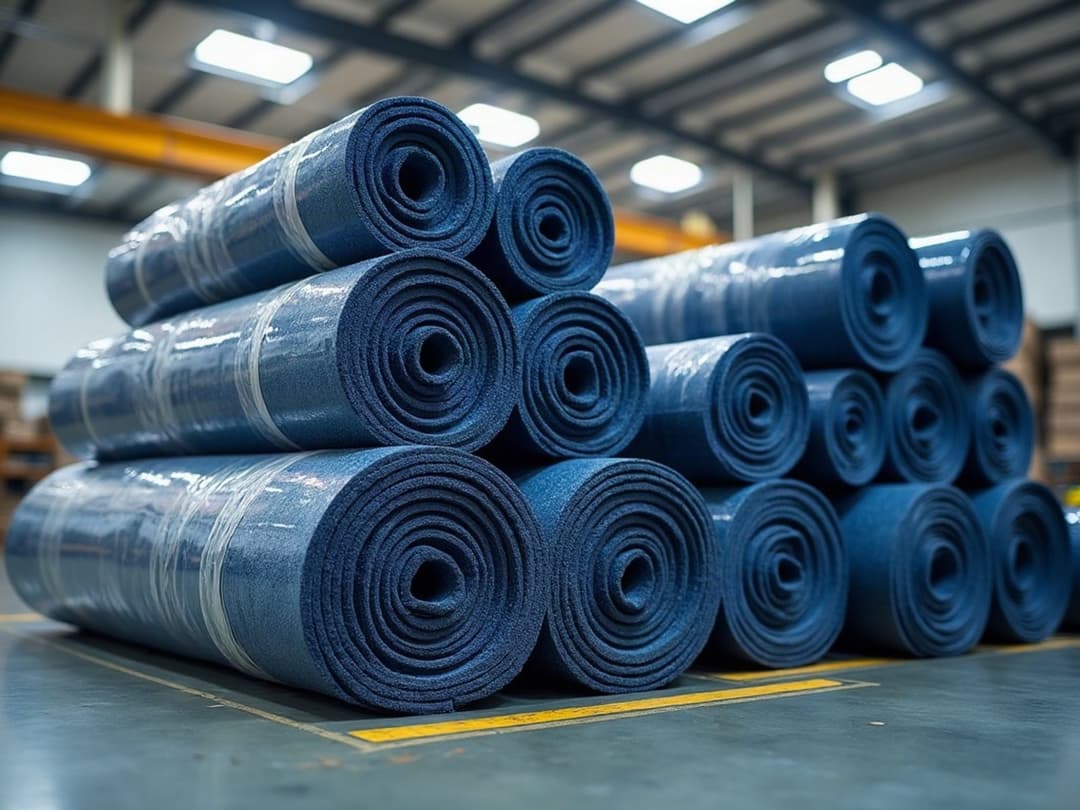
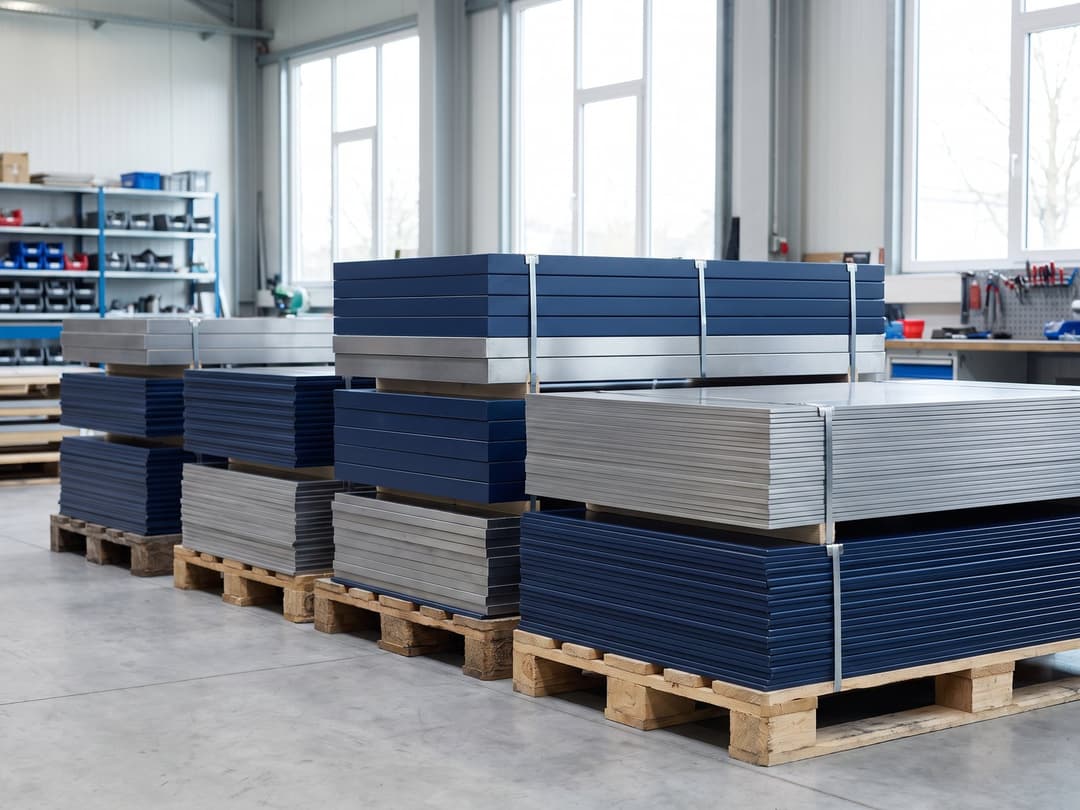
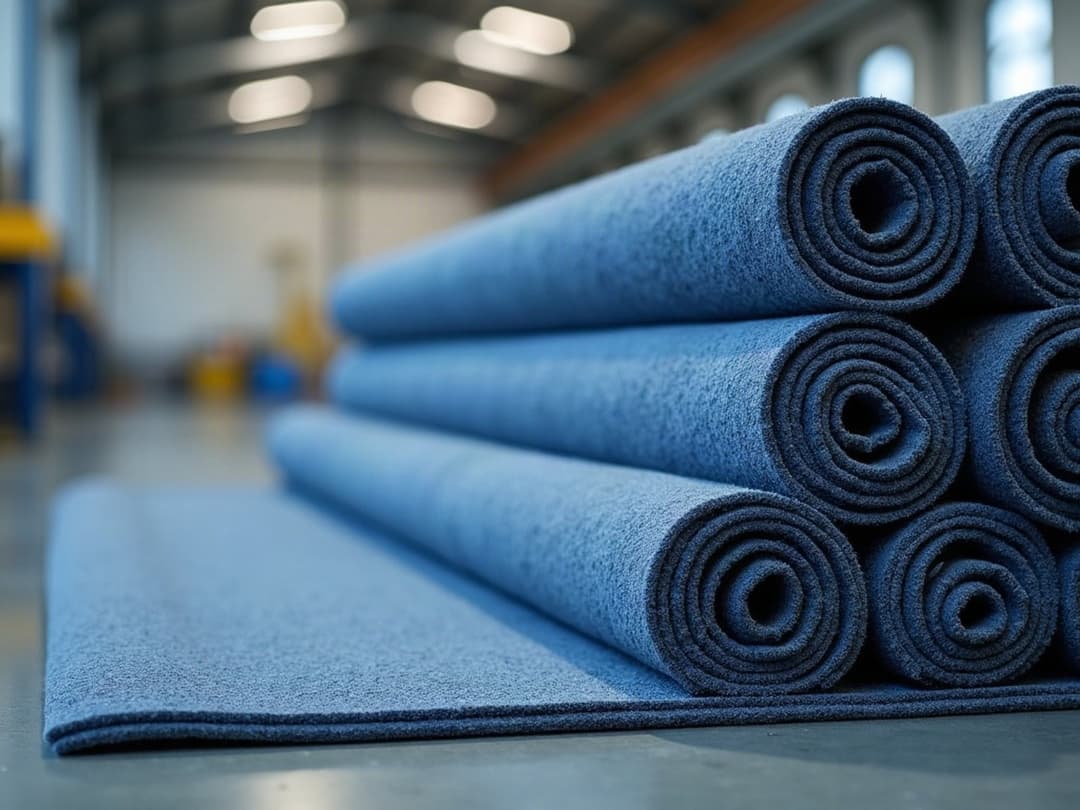
Sample machine and automation solutions from carpet, paper, automotive, hose and metal-part manufacturing — proof that our engineering and sourcing network is not limited to food plants. These items are not directly quotable; if you have a similar need, talk to our Custom Project team.

Carpet Cutting Guillotine Proof — not for quote

Carpet Cutting Guillotine

A system that provides fast and precise cutting for carpet production processes.

Hose Assembly Machine Proof — not for quote

Hose Assembly Machine

A special machine that performs fast and controlled assembly of hose connection elements with different diameters and characteristics.

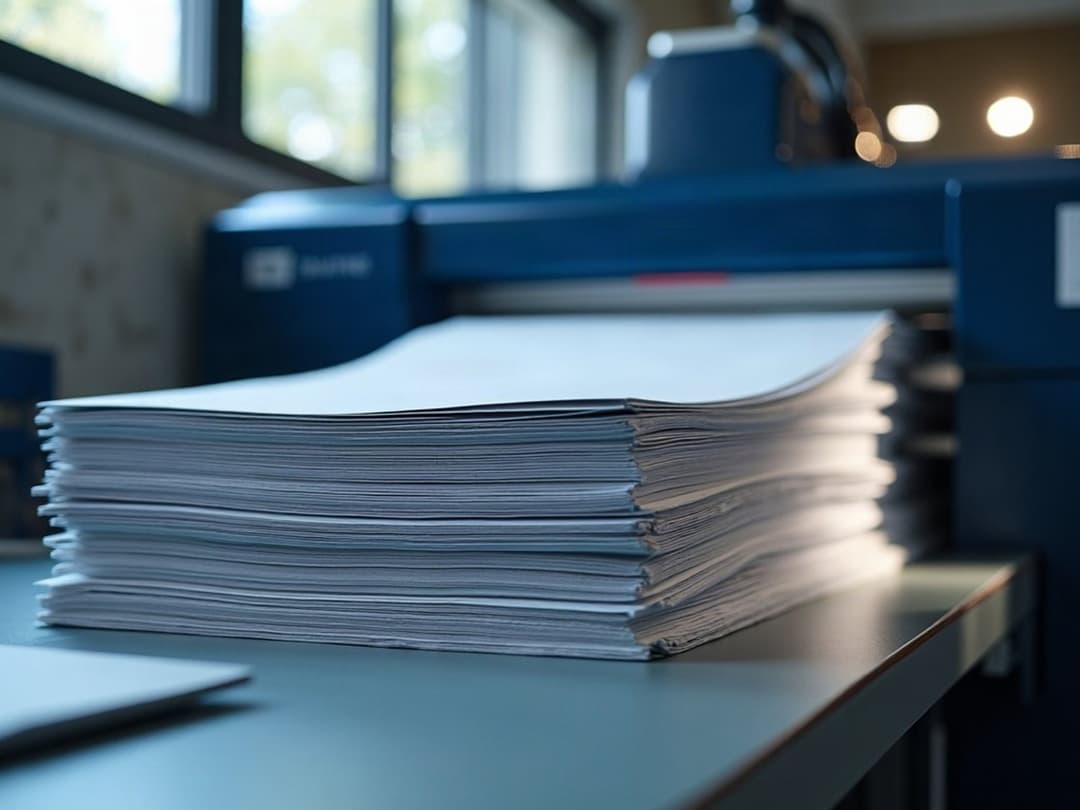
Paper Cutting Machine Proof — not for quote

Paper Cutting Machine

A machine that provides precise cutting of paper and similar materials.

Shear Stamping Machine Proof — not for quote

Shear Stamping Machine

Shear stamping machines offer automated high efficiency in the furniture industry.

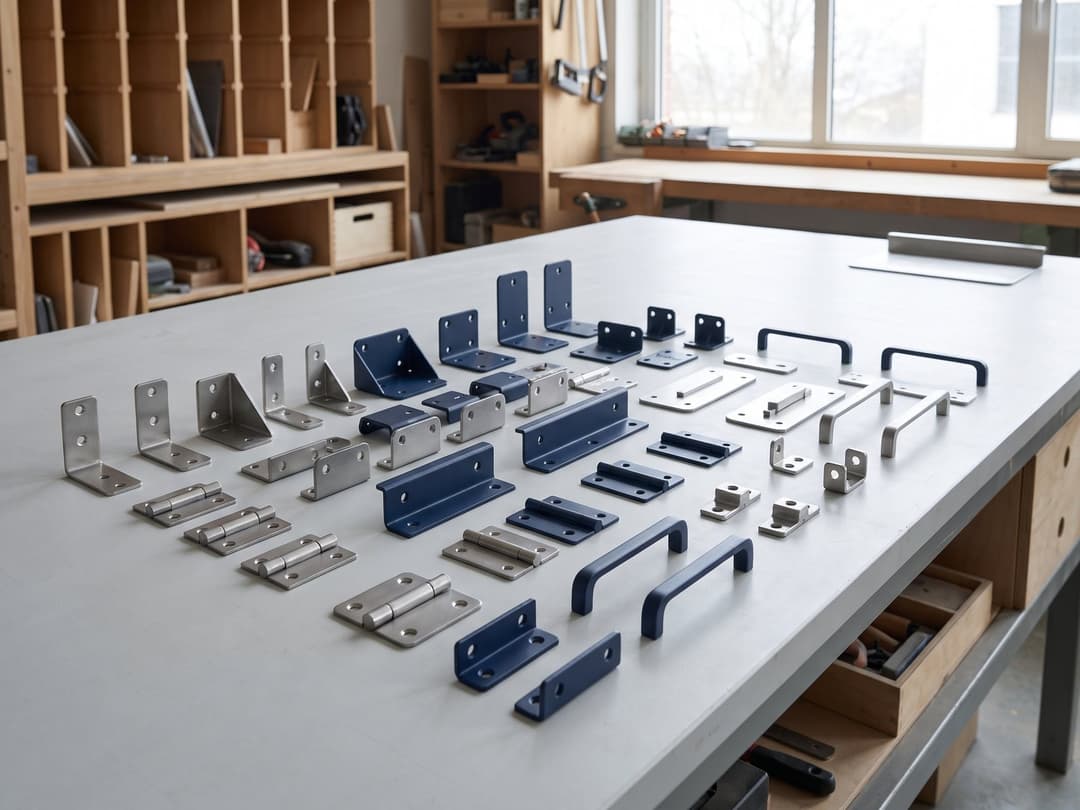
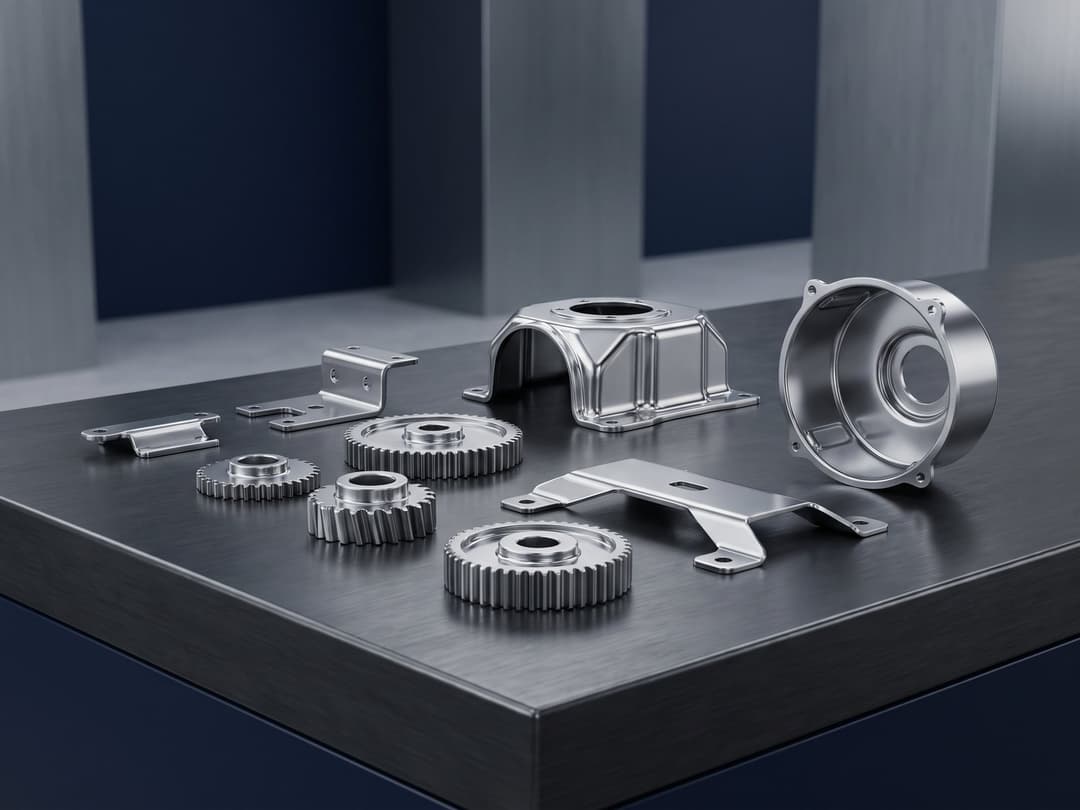
Metal Surface Shaping Machine Proof — not for quote

Metal Surface Shaping Machine

It is a machine designed for shaping metal surfaces and enhancing their quality.

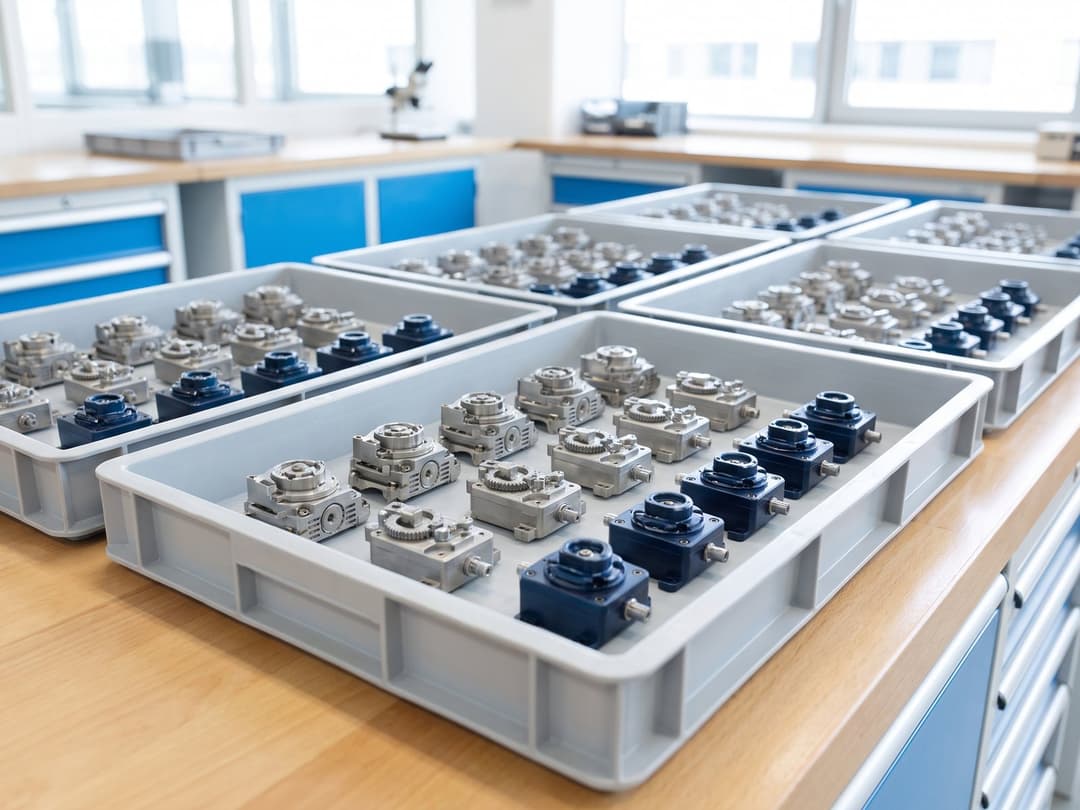
Automatic Header Assembly System Proof — not for quote

Automatic Header Assembly System

The system that assembles parts automatically increases production efficiency.

Automatic Carpet Packaging Machine Proof — not for quote

Automatic Carpet Packaging Machine

An efficient machine that enables the automatic packaging of carpets.

Automatic Bottle Sorting Machine Proof — not for quote

Automatic Bottle Sorting Machine

An automatic system that provides high-speed bottle sorting.

Automatic Bottle Capping Machine Proof — not for quote

Automatic Bottle Capping Machine

An automatic system that performs fast and reliable capping operations suitable for different cap types.

Automatic Sole Cutting Production Line Proof — not for quote

Automatic Sole Cutting Production Line

The automatic sole cutting production line reduces labor costs by performing cuts with high precision.

Automatic Product Sorting Machine Proof — not for quote

Automatic Product Sorting Machine

A machine that automatically organizes different products in a specific order.

Share this page