
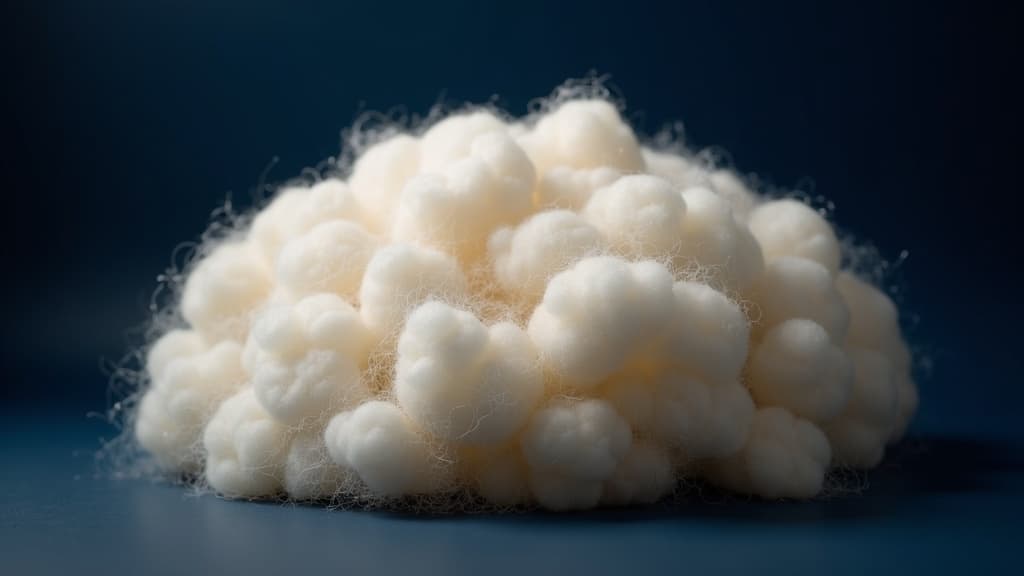
Wool Washing, Drying and Carding Line
Study at a Glance
- Sector
- Textiles — wool processing
- Country
- Caucasus
- Capacity
- 100 kg/batch washing · 100 kg dry load drying
- Investment Range
- 148,000 – 178,000 USD
- Estimated Setup Time
- 12 – 20 weeks
- Study Year
- 2023
A three-stage line that turns raw wool into marketable fiber: programmable washing machine, electric dryer, and 6-meter body carding machine. Washing and drying alone can also produce a marketable intermediate product.
Investment Rationale
In regions where livestock farming is common, raw wool is often discarded at a low cost or as waste. The washing-drying-carding chain converts this raw material into sellable life for the filling, yarn, and felt industries; moreover, the first two stages can also produce on their own.
Scope of Work
- Wool washing machine — 100 kg, 22 kW main motor, 60 kW electric heating, electric/steam options
- Wool dryer — 100 kg dry load, electric (does not require steam/gas)
- Carding machine — 8 × 11 kW, 1.5 m working width, 6 m body
- Pipes, valves, fittings, and connection materials
- On-site assembly, water testing, and commissioning (included in the price)
- Baling press (optional)
Key Findings
Washing → drying → carding; sequence is mandatory, dirty or wet wool cannot be processed in the next stage.
Post-washing squeezing force; a value that directly determines drying time and energy cost.
The dryer operates solely on electricity — installation is significantly easier in sites without steam infrastructure.
Washing + drying produces a marketable intermediate product; carding can be deferred to the second stage.
Total layout length of the carding machine including material intake/discharge — a measurement that determines the building plan.
Programmable control on both machines; reduces dependence on operator qualifications.
Investment Budget
Approximate investment ranges by equipment group. These are grouped estimate bands, not line-item prices.
For information — not included in the total
Optional item in the sourcing study; not included in the total investment.
Excluded from this budget
- Transport and transport insurance
- Customs clearance and local taxes
- Building, infrastructure, and building electrical line
- Travel, accommodation, and meal expenses of the assembly/commissioning team
The belt is based on a study dated 2023 and is factory delivery (EXW). Installation and commissioning costs are included; travel and accommodation expenses of the technical team are the buyer's responsibility.
The subject of the study
A three-stage line that converts raw wool into filling, yarn, or felt ready fibers was studied: washing, drying, and carding.
Why this order
After shearing, wool carries grease (lanolin), dust, plant residues, and manure. In this state, it is neither sellable nor processable. The order is mandatory: first washing, because if dirty wool is dried, the dirt sticks to the fibers; then drying, because damp wool clumps in the carder and the fibers do not open; lastly carding, because the opening process is only meaningful with clean and dry fibers.
Stages
The washing machine has a capacity of 100 kg and operates with programmable automatic control; at the end of a 60-minute cycle, it expels most of the water at 360 G. This pressing power directly determines the drying time and energy cost.
The dryer operates only on electricity — it does not require a steam boiler or gas line. This is a choice that significantly facilitates installation in an area without steam infrastructure. The cycle is 30 minutes.
The carding machine opens and aerates the fibers with an 8 × 11 kW motor. The body is 6 meters long, and the working width is 1.5 meters; it requires approximately 7 meters of linear space including the material intake and discharge sections.
Possibility of phased installation
The washing and drying stage produces a marketable intermediate product: washed-dried wool. Therefore, the carding stage can be postponed to the second phase, significantly reducing the initial investment.
The limit of this study
This page is a scope of equipment and investment band study. Building, water and purification infrastructure, raw wool supply, and operating costs are outside the scope.
Assumptions & Limitations
This study was prepared under the assumptions below. Results will differ under other conditions.
- Status
- This is an equipment feasibility study; the described facility has not been established.
- Dryer capacity
- The source work states a title of 200 kg, while the technical specification mentions 100 kg dry load. This page is based on the technical specification; actual capacity is subject to confirmation.
- Price floor
- The investment band is based on a 2023 study; it varies according to exchange rate and specifications.
- Out of scope
- Building, water supply and wastewater treatment, raw wool supply, and operating expenses are excluded.
- Duration and payment
- The delivery time and payment plan in the resource study are contradictory in two different places; this page is not committed, it is left for project-based confirmation.
Technical Specifications
| Washing capacity | 100 kg / 60 minutes |
|---|---|
| Washing main motor | 22 kW |
| Washing heating | 60 kW electric |
| Pressing | 360 G |
| Drying | 100 kg dry load / 30 minutes |
| Carding motor | 8 × 11 kW · 1,400 rpm |
| Carding layout | 1.5 m width × ≈ 7 m length |
Download the Full Report (PDF)
Leave your e-mail and download the report instantly.
Download the Full Report (PDF) (opens in a new tab)Frequently Asked Questions
Can only washing and drying be purchased?
Yes. Washed and dried wool is a sellable product on its own. The carding stage can be added later; this significantly reduces the initial investment.
Is a steam boiler required?
No for the dryer — it operates solely on electricity. The washing machine can be set up with electric or steam heating; if you have steam infrastructure, operating costs will decrease.
How much space is needed?
The determining measure is the carding machine: 1.5 m working width and approximately 7 m linear layout including material intake/discharge. The washing and drying units require about 2 meters of depth.
What will happen to the wastewater?
Wool washing water carries lanolin and organic load; treatment is not included in this work and must be additionally designed according to local regulations.
Is the price up to date?
No. The quote is based on a study dated 2023; the current amount will be determined when you request it.