
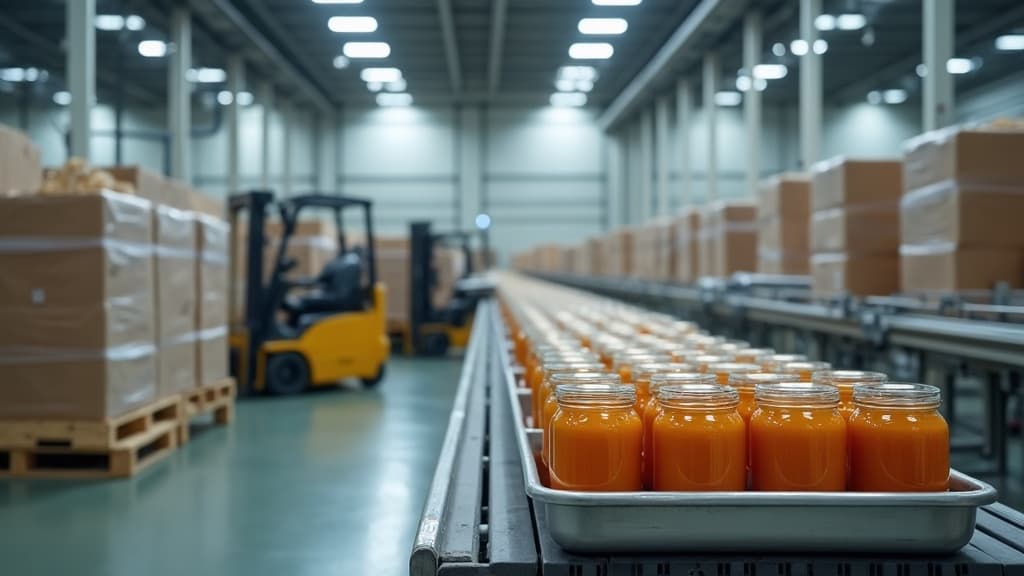
What are the process steps to consider when setting up a filling line?
Definition
The filling line is a production process designed for filling liquid or solid products into a specific packaging format. These lines ensure that products are packaged in the correct amount, under hygienic conditions, and in accordance with desired quality standards. The filling line typically occurs at the final stage of the production process and performs the last operations before the products are brought to market.
Where is it Used
Filling lines are widely used in many sectors. Below are some examples of application areas:
- Food Sector: Filling of products such as liquid oil, milk, and fruit juice.
- Pharmaceutical Sector: Filling of liquid medicines in bottles or ampoules.
- Chemical Sector: Filling of cleaning products or chemical substances.
- Beverage Sector: Filling of products such as carbonated drinks and energy drinks.
Engineering Assessment
There are several engineering factors to consider during the installation of a filling line:
- Capacity Calculation: The daily or hourly filling capacity of the filling line should be determined. For example, a filling line with a capacity of 1000 L/hour can fill 24,000 L of product in a day.
- Energy Consumption: Energy efficiency is an important factor affecting operating costs. The energy consumption of the filling line depends on the equipment used and the process flow.
- CIP (Clean In Place) Cleaning: To maintain hygiene standards, the filling line must be equipped with CIP systems. This ensures production continuity.
- Maintenance Needs: Regular maintenance of equipment minimizes downtime and increases production efficiency.
| Criteria | Example Value |
|---|---|
| Capacity | 1000 L/hour |
| Energy Consumption | 5 kWh/m3 |
| CIP Duration | 30 minutes |
| Maintenance Interval | 6 months |
Selecting the Right Equipment
Choosing the appropriate equipment for the filling line is critical for the efficiency of the production process. The following types of equipment can be preferred according to different needs:
- Granule Filling Machine: Suitable for filling solid products.
- 4x1 Servo Linear Filling Machine: Ideal for precise filling of liquid products.
- Fully Automatic Labeling: Ensures fast and accurate labeling of products.
Common Mistakes
Some common mistakes made during the installation of a filling line and their consequences are as follows:
- Incorrect Capacity Calculation: Incorrect determination of capacity can lead to production losses and time waste.
- Insufficient CIP System: Inadequate cleaning can lead to a decrease in product quality and hygiene issues.
- Errors in Equipment Selection: Incorrect equipment selection reduces the efficiency of the filling process and increases maintenance costs.
ProcessTürk Approach
ProcessTürk meticulously manages the engineering, production, assembly, and commissioning processes at every stage of filling line projects. At the beginning of the project, a detailed engineering assessment is conducted in line with customer needs. During the production phase, the filling line is installed using high-quality equipment. Finally, in the commissioning process, the performance of the equipment is tested and necessary adjustments are made.
Conclusion
The installation of a filling line requires careful planning and an engineering approach. Following the correct steps increases production efficiency and ensures product quality.
Frequently Asked Questions
How is the filling line capacity calculated?
The filling line capacity is calculated based on the daily or hourly filling amount. For example, a filling line with a capacity of 1000 L/hour can fill 24,000 L of product in a day. In capacity calculations, product characteristics and filling time should also be taken into account.
Which filling machine is suitable for me?
The selection of a filling machine depends on the type of product to be filled and the packaging format. Granule filling machines should be preferred for solid products, while 4x1 servo linear filling machines should be chosen for liquid products.
Why is the CIP system important?
The CIP system ensures that the filling line operates under hygienic conditions. Inadequate cleaning can lead to a decrease in product quality and hygiene issues. Therefore, it is important for the CIP system to be designed and implemented effectively.
How can the energy efficiency of the filling line be increased?
Energy efficiency can be increased through equipment selection, process flow, and maintenance practices. Equipment that minimizes energy consumption should be preferred, and regular maintenance should be performed.
How long should the maintenance period of the filling line be?
The maintenance period of the filling line varies depending on the type of equipment and usage conditions. Generally, regular maintenance of the equipment should be performed every 6 months.
Next Step
You can contact ProcessTürk to get more information about the installation of filling lines and to request a tailored engineering assessment for your needs.