
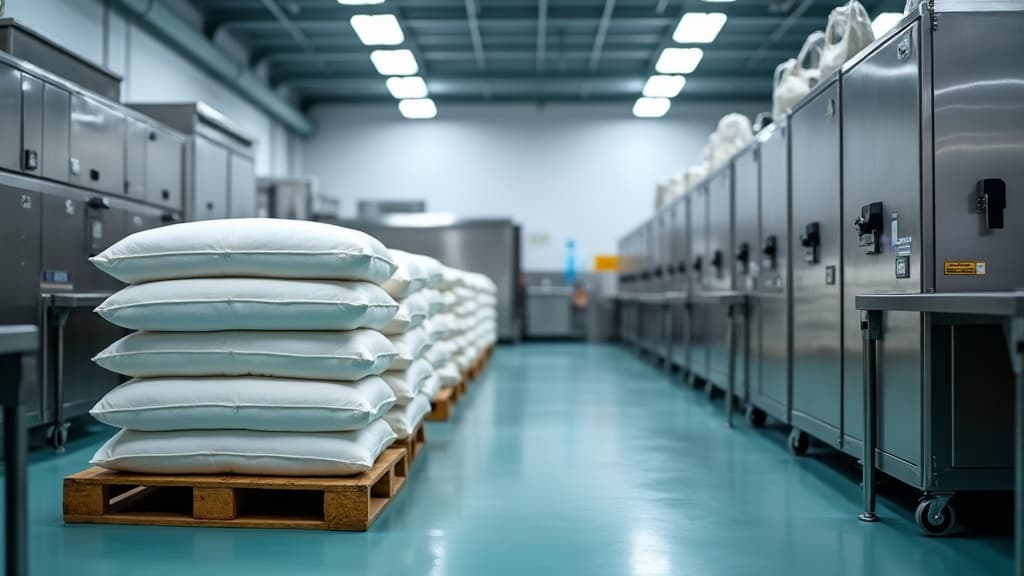
How to enhance energy efficiency in food production?
Energy efficiency in food production facilities is critically important for both reducing costs and ensuring environmental sustainability. Reducing energy consumption, optimizing production processes, and achieving greater efficiency with less resource use can be accomplished. Therefore, methods for enhancing energy efficiency have become a significant focus for investors and engineers.
What is energy efficiency?
Energy efficiency is the ratio of the amount of energy used in a specific production process or overall facility to the amount of product or service obtained. In other words, it means producing the same or more while using less energy. This helps to reduce production costs while ensuring energy savings.
Where is it used?
Energy efficiency can be applied in various areas of food production. Example application areas include:
- Dairy processing facilities: Energy efficiency can be achieved in pasteurization and cooling processes.
- Juice production lines: Energy savings can be realized in concentrate production.
- Canned food production facilities: Energy efficiency can be increased in thermal processing.
Engineering assessment
The main engineering criteria to consider for enhancing energy efficiency include:
- Energy consumption: The energy consumption of the production process should be analyzed in detail. For example, in a dairy processing facility, the energy consumption can average 300 kWh per ton of milk.
- Maintenance: Regular maintenance of equipment can enhance energy efficiency. Equipment that is not maintained may consume more energy.
- Level of automation: Higher automation can provide energy savings. For example, automatic control systems can optimize energy consumption.
| Criterion | Description |
|---|---|
| Energy consumption | Average 300 kWh per ton of milk |
| Maintenance | Energy savings with regular maintenance |
| Level of automation | Energy savings with higher automation |
Choosing the right equipment
The equipment selected to increase energy efficiency should be determined according to the requirements of the processes. For example:
- Heat exchangers: An effective method for energy recovery. Plate exchangers provide energy savings.
- Steam boilers: High-efficiency boilers should be preferred.
- CIP systems: Systems that save energy in cleaning processes can be used.
Common mistakes
Some common mistakes made in efforts to enhance energy efficiency include:
- Inadequate equipment selection: Choosing the wrong equipment can increase energy consumption. This can negatively affect production efficiency.
- Insufficient maintenance: Equipment that is not maintained consumes more energy. This increases costs and negatively impacts the production process.
- Lack of automation: Systems lacking automation can lead to energy waste. This situation reduces the efficiency of the production process.
The ProcessTürk approach
As ProcessTürk, we provide engineering services at every stage of projects to enhance energy efficiency. At the start of the project, we conduct energy consumption analyses to identify the most suitable equipment and process designs. We aim to increase energy efficiency by offering customized solutions based on the needs of the production facility. Additionally, we provide support during installation and commissioning processes to ensure the system operates efficiently.
Conclusion
Increasing energy efficiency in food production is important for reducing costs and ensuring environmental sustainability. The right equipment selection, regular maintenance, and automation are critical factors for enhancing energy efficiency.
Frequently Asked Questions
What methods can be used to enhance energy efficiency?
Methods such as regular maintenance of equipment, use of automation systems, and integration of energy recovery systems can be implemented to enhance energy efficiency. These methods help reduce energy consumption.
Which equipment provides energy efficiency?
Equipment such as heat exchangers, steam boilers, and CIP systems can be preferred to ensure energy efficiency. These devices provide energy savings in production processes.
What is the cost of enhancing energy efficiency?
The cost of enhancing energy efficiency varies depending on the project and the methods to be implemented. However, the savings it provides in the long term can offset the initial costs.
What is the effect of the level of automation on energy efficiency?
Higher levels of automation can optimize energy consumption. Automatic control systems increase efficiency by reducing energy waste.
What is the contribution of maintenance to energy efficiency?
Regular maintenance ensures that machines operate efficiently and reduces energy consumption. Equipment that is not maintained may consume more energy and negatively affect production efficiency.
Next Step
If you would like to request an engineering assessment to enhance energy efficiency, you can contact ProcessTürk. Our expert team is ready to offer solutions tailored to your needs.