
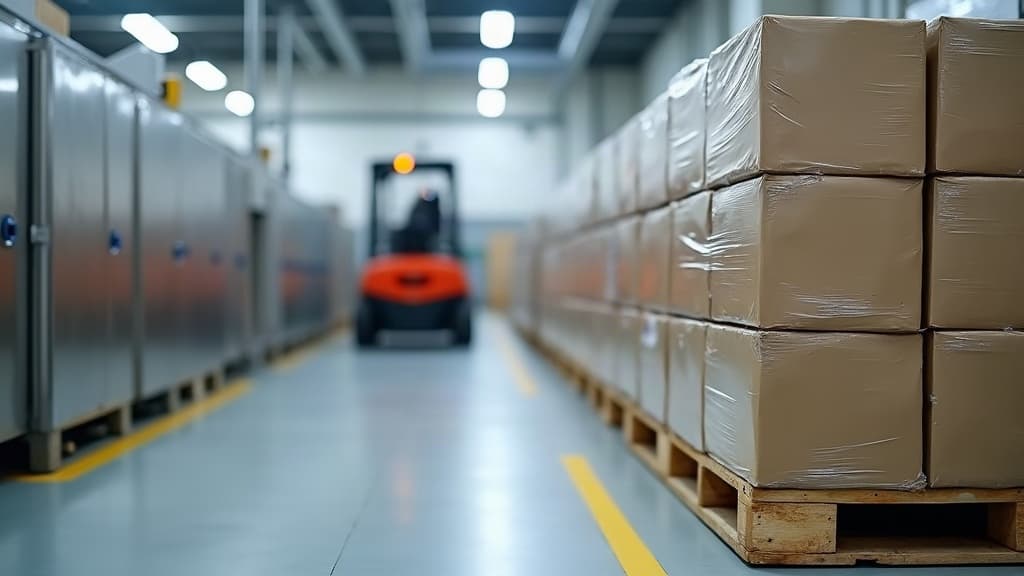
How can the shelf life of food products be extended with cold storage systems?
Definition
Cold storage systems are technological infrastructures that allow food products to be stored within a specific temperature range. These systems are designed to prevent product spoilage and extend shelf life. With various structures and operations, such as cold storage warehouses, chiller systems, and cold containers, these systems are critical for maintaining the quality of food products.
Where Are They Used
Cold storage systems have a wide range of applications across different food products and processing lines. Below are some example areas:
- Meat and Dairy Products: Essential for preserving meat and dairy products without spoilage.
- Fruits and Vegetables: Ensures fresh fruits and vegetables remain fresh for an extended period.
- Seafood: Cold storage is mandatory to maintain the freshness of seafood.
- Processed Food: Used for the storage of canned and frozen foods.
Engineering Assessment
The effectiveness of cold storage systems is evaluated using the following engineering parameters:
| Parameter | Description |
|---|
| Capacity | The storage capacity of the cold storage warehouse measured in tons/day or tons/hour.
| Energy Consumption | The energy efficiency of the cooling system measured in kWh/m2.
| Cleanability (CIP) | The cleanability status of the cold storage system.
| Process Flow | The storage and distribution processes of the products.
| Maintenance | The maintenance requirements and continuity of the systems.
These parameters are critical factors affecting the effectiveness and efficiency of cold storage systems.
Choosing the Right Equipment
The selection of appropriate equipment for cold storage systems depends on the type of product and storage requirements. Below are some examples:
- Multi-Compartment Cold Storage: Ideal for products requiring different temperature ranges.
- Chiller Cooling Unit: Suitable for products requiring continuous cooling.
- Cold Container: Ideal for those looking for portable cooling solutions.
Choosing the right equipment is important for both energy efficiency and product quality.
Common Mistakes
Some common mistakes and their consequences in cold storage systems are as follows:
- Incorrect Temperature Setting: Can lead to product spoilage, resulting in losses.
- Inadequate Ventilation: Failure to ensure airflow can lead to moisture and mold formation.
- Neglecting Regular Maintenance: Can cause equipment failure and high energy consumption.
These mistakes can significantly impact the efficiency of the business and increase costs.
The ProcessTürk Approach
ProcessTürk meticulously manages the engineering, production, installation, and commissioning phases in cold storage system projects. At the beginning of the project, a needs analysis is conducted to determine the most suitable system design. During the production phase, quality control processes ensure that the products meet the standards. During installation, detailed tests are conducted to ensure the system operates correctly. Finally, the commissioning process is supported with necessary training for users to maximize the system's efficiency.
Conclusion
Cold storage systems play a critical role in extending the shelf life of food products. Proper equipment selection, engineering evaluations, and process management enhance the effectiveness of these systems.
Frequently Asked Questions
How is the capacity of cold storage systems calculated?
Capacity is typically measured in tons/day or tons/hour. The size of the storage area and the volume of the products are considered in capacity calculations.
What type of cold storage equipment should I choose?
The choice depends on the type of product you wish to store and your requirements. Multi-compartment cold storage is ideal for products with different temperature requirements.
What should the energy consumption of the cooling system be?
Energy consumption depends on the efficiency of the system. A good cooling system should consume less energy while maintaining product quality.
How often should cold storage systems be maintained?
Maintenance frequency depends on the system's usage and environmental conditions. However, regular maintenance extends the system's lifespan and prevents failures.
For which products are cold storage systems suitable?
Cold storage systems are suitable for many products, including meat, dairy, fruits, vegetables, and processed foods. Each product has different storage conditions, and the system should be designed accordingly.
Next Step
You can contact ProcessTürk to request an engineering assessment for your project. Our expert team is ready to provide solutions tailored to your needs.