
Auxiliary Equipment
ProcessTürk's catalog includes 10 different lines and machines in the Auxiliary Equipment category. Compare them by capacity, automation level and budget, and request a quote.
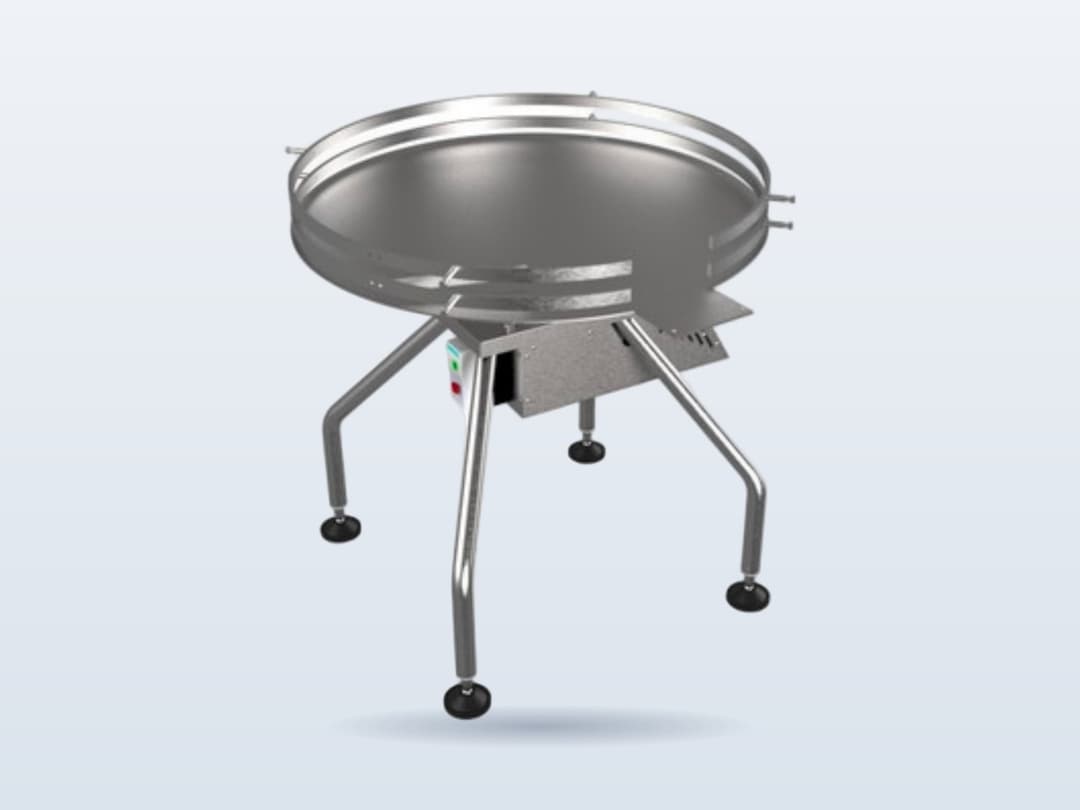
Infeed Empty Bottle Feeding Turntable
A turntable that ensures a regular flow of empty bottles.
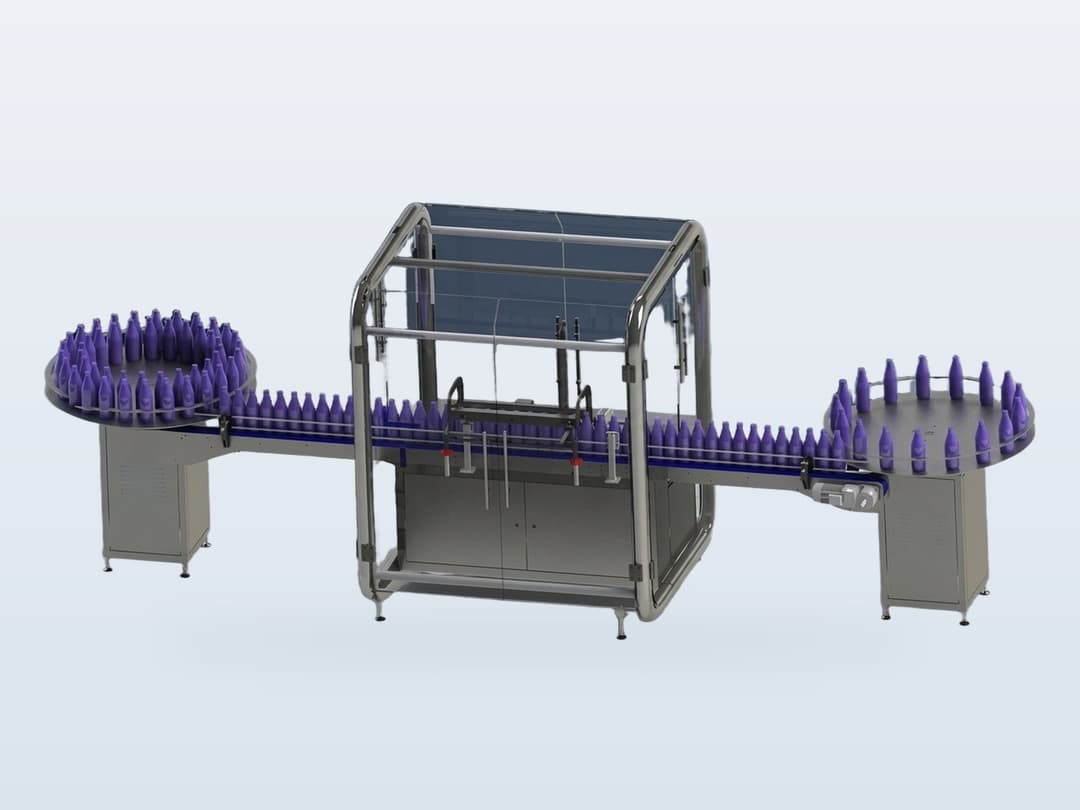
Bottle Washing and Air Drying Unit
An automatic unit that washes and dries bottles.
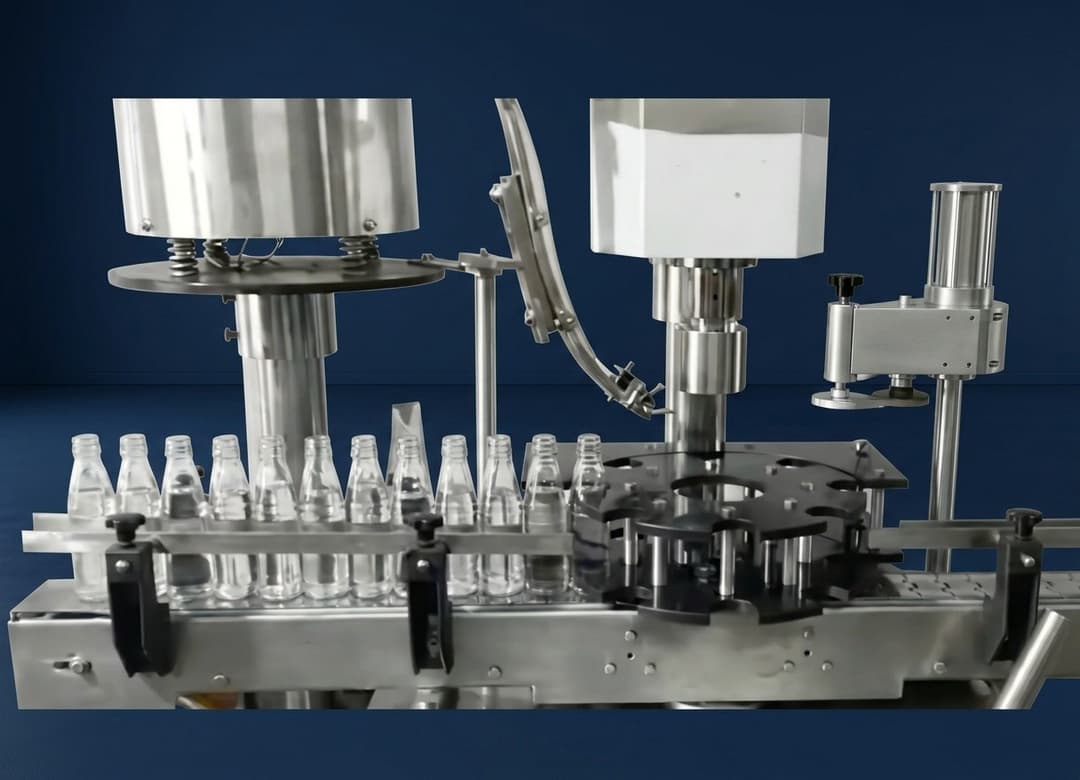
Rotary Table Cap Closing & Vibratory Sorting Unit
Unit performing automatic cap closing and bottle sorting operations.
Output Bottle Collection Rotary Table
Rotary table where finished products accumulate.
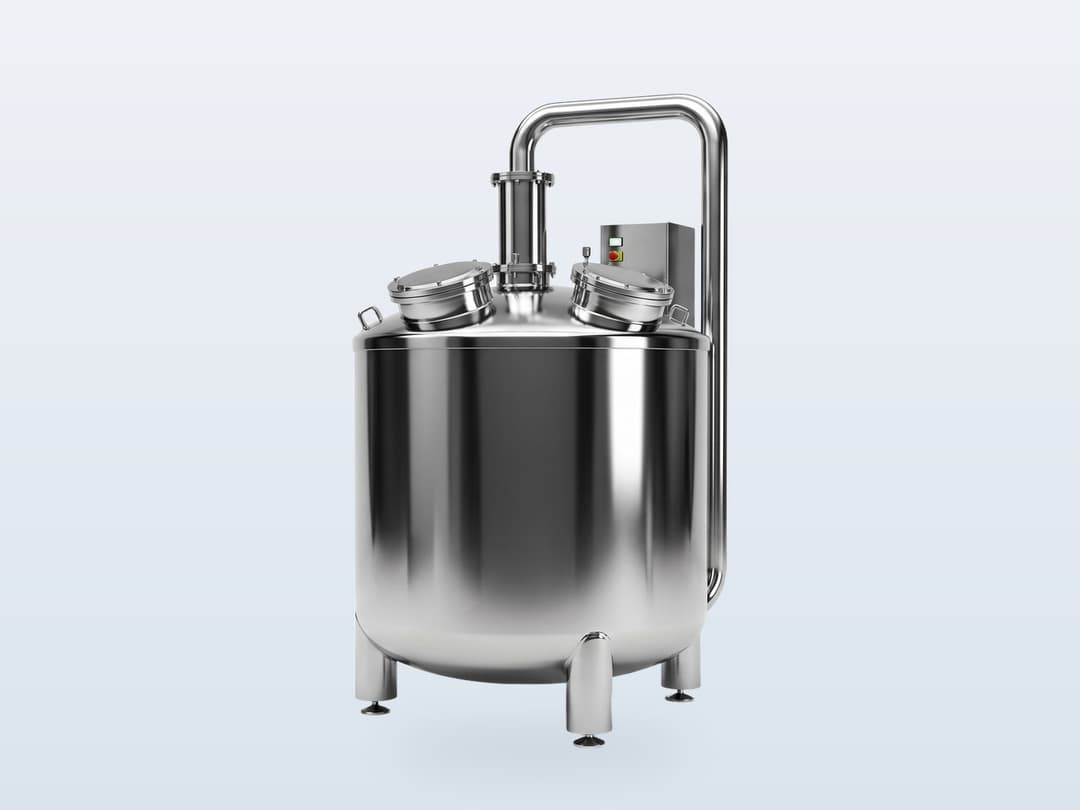
Industrial Mixing Mixer
1000-liter mixing mixer for industrial milk processing.
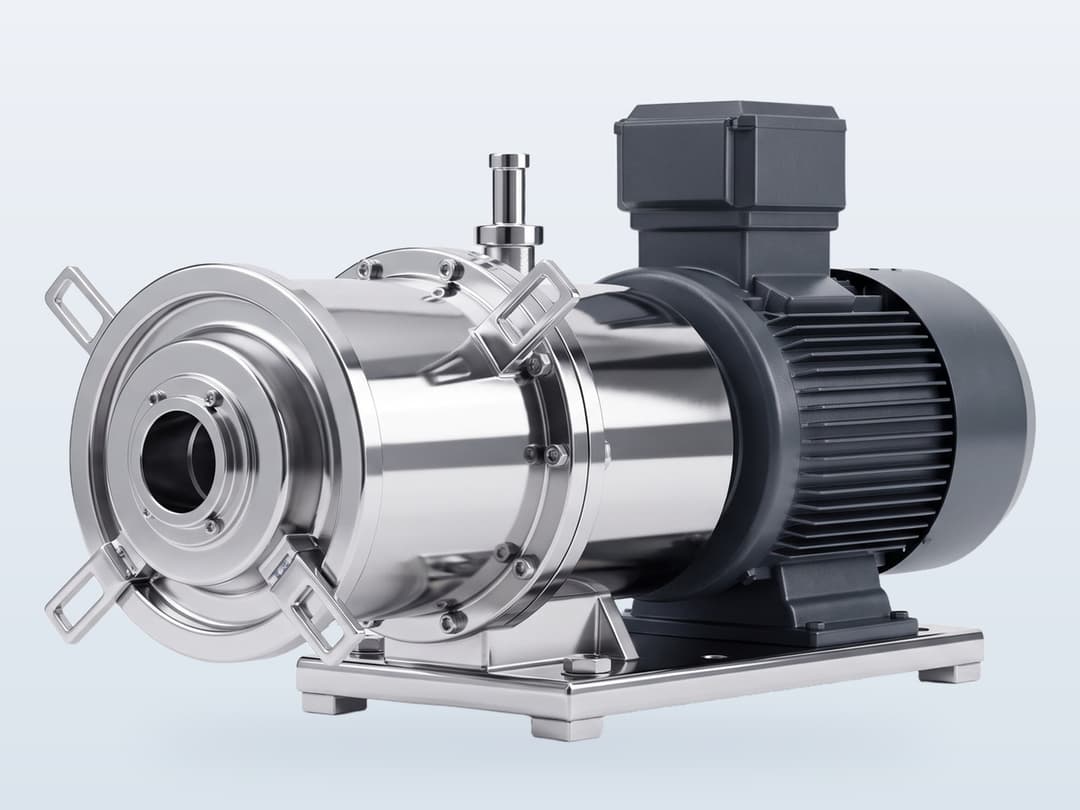
Product Transfer Pump
The Product Transfer Pump enables the hygienic transfer of viscous and sensitive products.
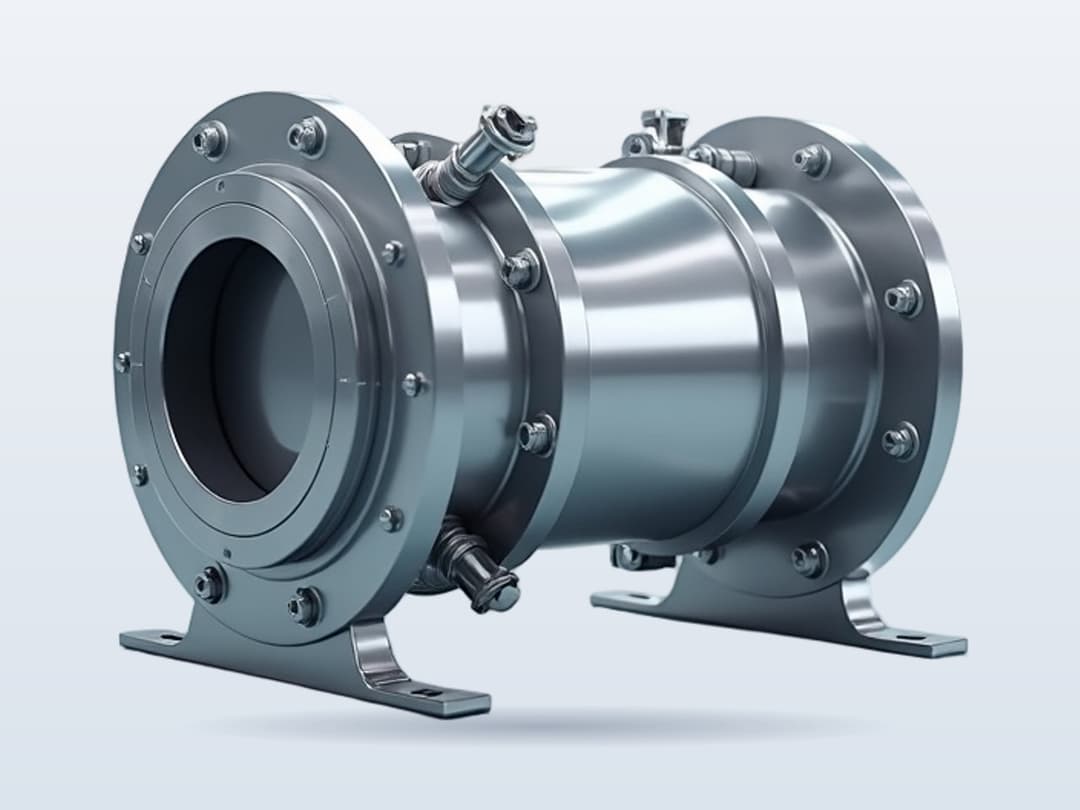
Plate Heat Exchanger
Compact, high-efficiency heat transfer unit.
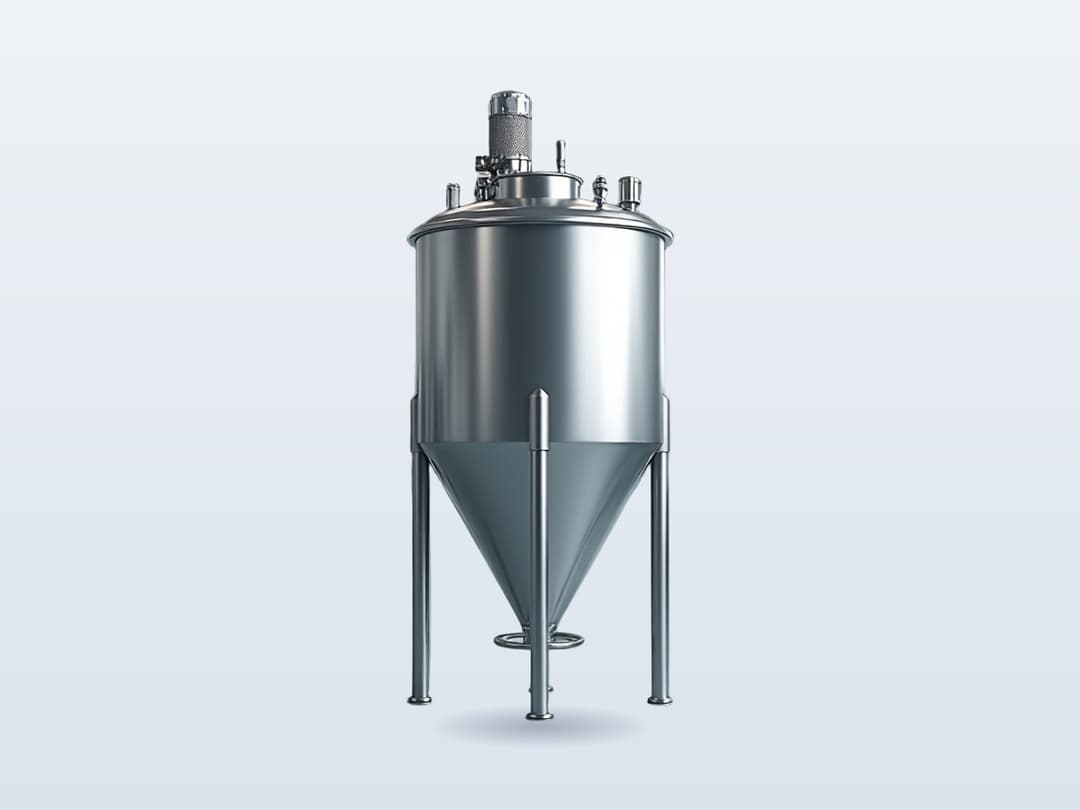
Lobe Pump Transfer Tank
Conical-bottom stainless transfer tank feeding the prepared product hygienically to the filling unit.
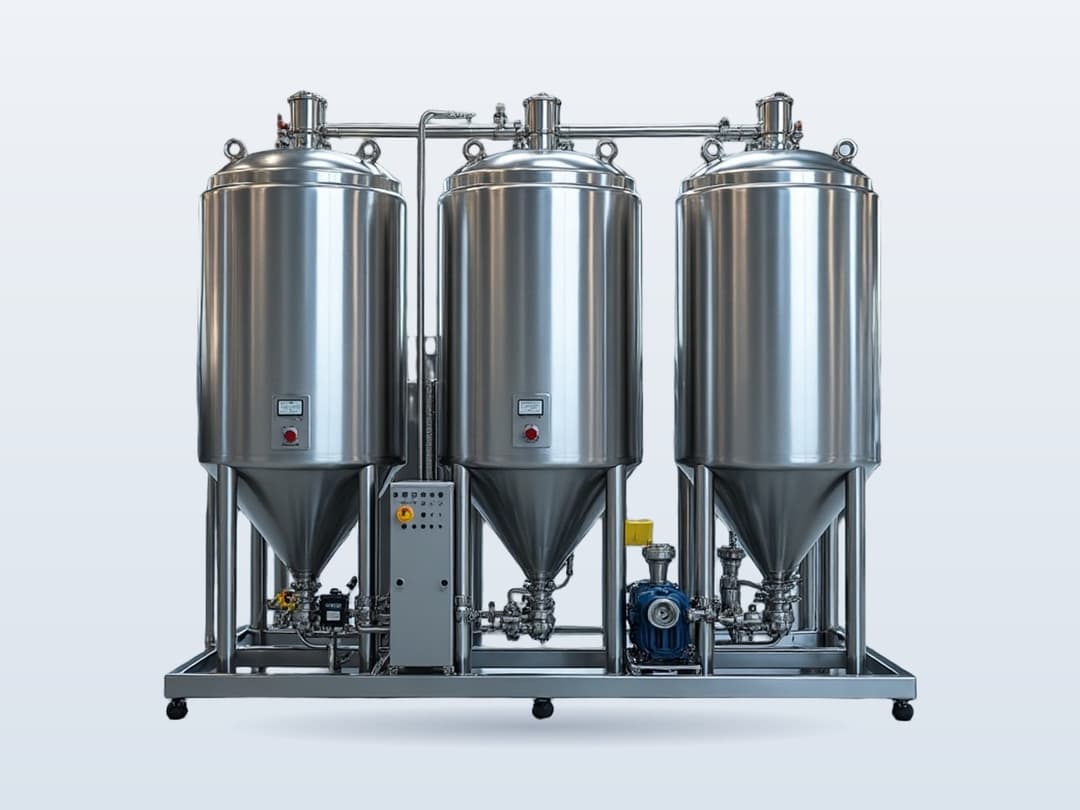
CIP Cleaning Unit
3-tank automatic CIP system for in-place cleaning of tanks, pipes and machines.
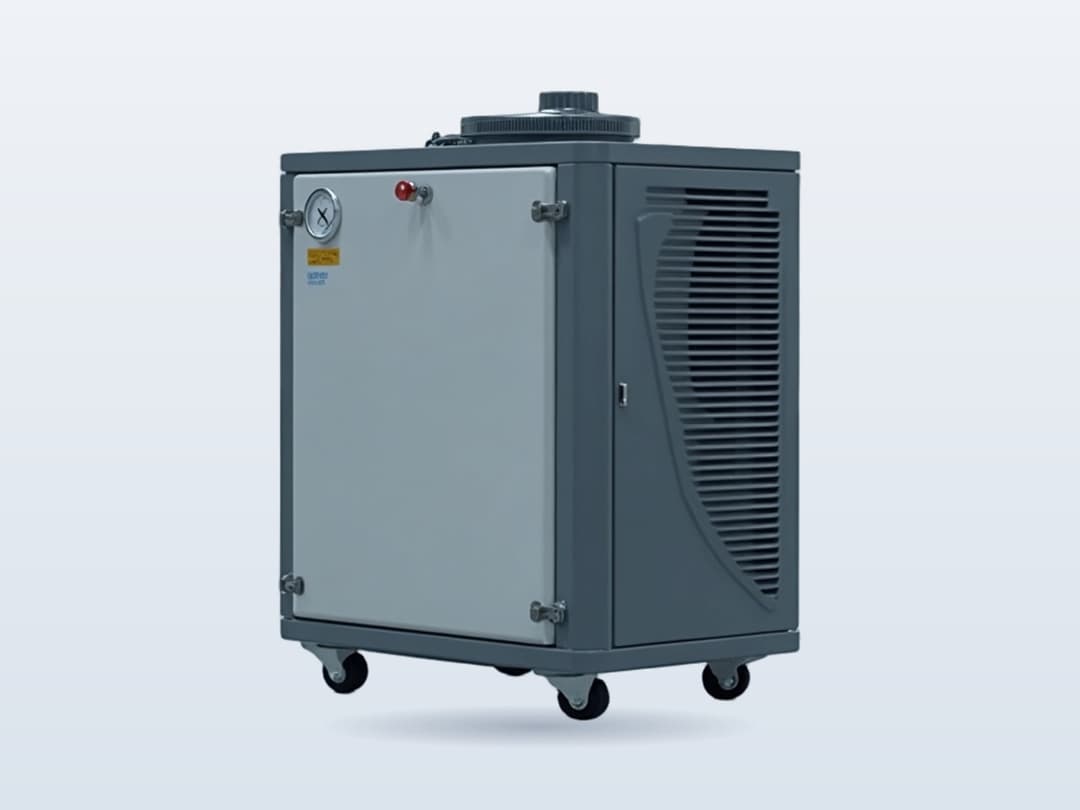
Chiller Cooling Unit
Water chiller removing homogenization heat to secure the product and its formula.
How to choose in this category
Auxiliary equipment feeds the main process machines, moves product between stations, heats and cools it and cleans the line: bottle infeed and accumulation tables, washing and drying, capping, transfer pumps, plate heat exchangers, CIP units and chillers. The real speed of a line is often set by the slowest of these links.
Selection criteria
- Select the pump by how the product flows: centrifugal pumps for water-like liquids, lobe (positive-displacement) pumps for viscous or particulate products that must not be sheared.
- Plate heat exchangers transfer heat efficiently on thin, homogeneous products and suit heat recovery; fibrous or particulate products call for a tubular type to avoid clogging.
- CIP effectiveness depends on four factors: detergent concentration, temperature, contact time and flow velocity in the pipe. The unit must clean the line's longest and widest circuit while holding all four.
- Chiller capacity is calculated from product flow, the temperature range to remove and the product's specific heat; in hot climates the condenser selection is checked separately.
- Infeed and accumulation tables, washers and cappers are balanced to the filler's speed; the accumulation table is sized as a buffer so that short downstream stops do not halt filling.